Beyond Kona: Oahu’s Coffee Origin Story
Most visitors think Hawaiian coffee begins and ends with Kona. But Oahu’s slopes gave birth to the islands’ coffee industry—and its unique flavor still thrives today.
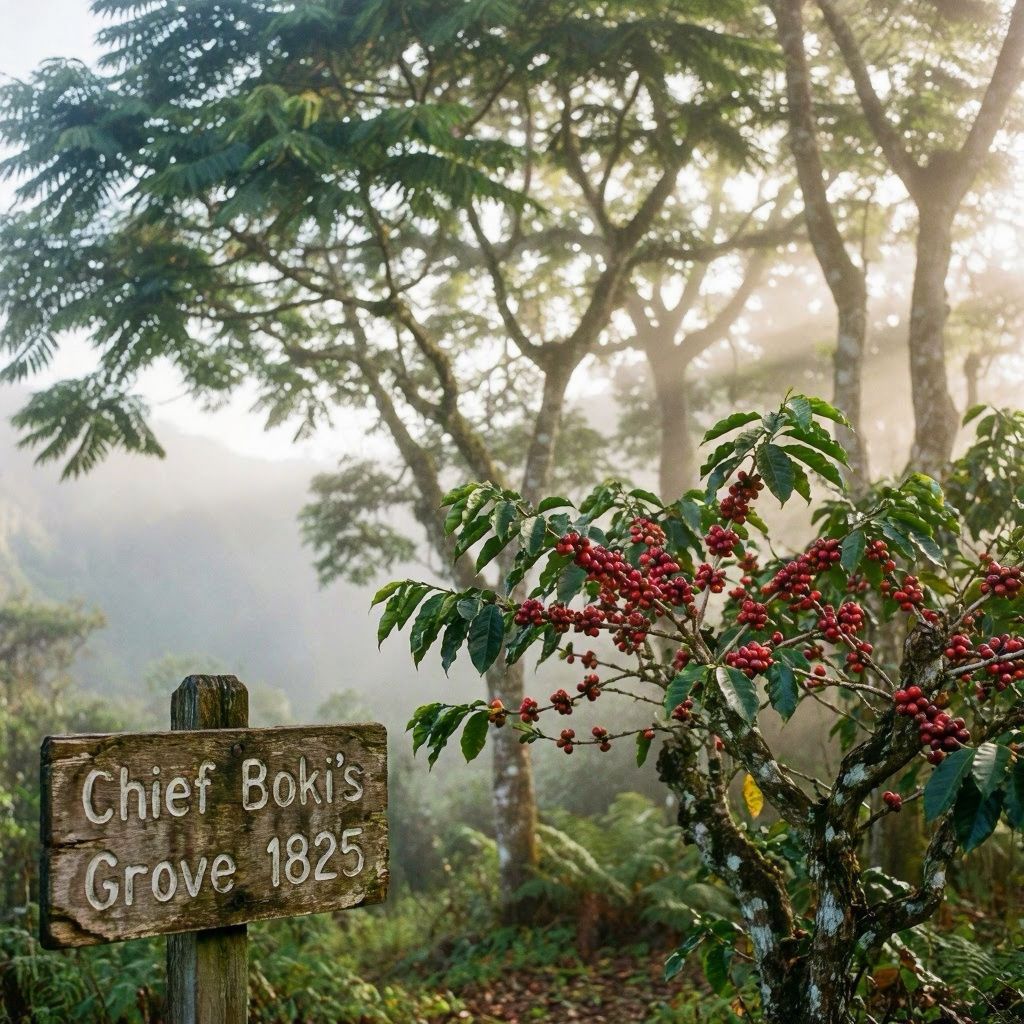
In 1825, Chief Boki returned from Brazil with coffee cuttings and planted them in Manoa Valley. The valley’s deep volcanic soil and daily ‘Manoa Mist’ created the perfect nursery. For decades, these trees supplied cuttings for Kona and Kauai. Today, feral descendants still grow wild in the rainforest, a living legacy of Oahu’s coffee roots.
The North Shore’s Coffee Renaissance
When sugar left Oahu, coffee stepped in. The Wahiawa Plateau’s unique microclimate now produces beans with a signature chocolate-cherry profile.
The 1996 closure of Waialua Sugar Company left thousands of acres idle. Farmers pivoted to coffee and cacao, creating a year-round ‘Farm-to-Cup’ model. The plateau’s 700-foot elevation and rain shadow from Mt. Ka’ala produce beans with bright acidity and dark chocolate notes—distinct from Kona’s nuttier profile.
Waialua Estate
Oahu’s largest coffee farmThe island’s most significant commercial coffee operation, where former sugarcane fields now yield beans with a signature chocolate-cherry profile. Their on-site café serves single-origin espresso and cacao drinks from their own trees.
Must-Order: The ‘Waialua Single-Origin Espresso’—a medium roast that highlights the estate’s volcanic terroir without bitterness.
Pro-Tip: Visit during harvest season (September–January) to see the ‘Cacao-Coffee Tandem’ in action—workers process coffee in the morning and cacao in the afternoon.
Free parking at the farm. The café is cashless; bring a card.
Oahu vs. Kona: Flavor Profiles Compared
Primary Varietal
Typica & Caturra (Oahu) vs. Heirloom Typica (Kona)
Acidity
Bright, citrus-forward (Oahu) vs. Silky, low acidity (Kona)
Flavor Notes
Dark chocolate, cherry, toasted macadamia (Oahu) vs. Nutty, caramel, soft stone fruit (Kona)
Body
Medium to full (Oahu) vs. Light to medium (Kona)
The ‘10% Rule’ loophole means many ‘Hawaiian Coffee’ blends contain just 10% local beans. Always look for the ‘100% Oahu Grown’ seal to taste the real terroir.
Coffee as Social Glue
On Oahu, coffee isn’t just a drink—it’s a ritual. The island’s plantation heritage shaped a culture where every cup comes with conversation.
The mid-20th century ‘Saimin Shop’ was more than a noodle stand—it was a community hub. Locals would linger over bowls of saimin and cups of dark, robust coffee, turning meals into hours-long conversations. This ‘Simple Coffee’ tradition persists today, especially in mom-and-pop shops where the brew is strong and the Wi-Fi is weak.
Liliha Bakery
Home of the Malasada-Coffee RitualA Portuguese bakery since 1950, Liliha is ground zero for Oahu’s ‘Malasadas and Coffee’ tradition. The yeast-leavened doughnuts and dark coffee are a mid-morning staple, best enjoyed during pau hana (break time).
Must-Order: The ‘Coconut Malasada’ paired with their ‘Liliha Blend’—a medium-dark roast with notes of toasted macadamia.
Pro-Tip: Order the ‘Malasada Flight’ (three mini doughnuts) to sample flavors without overcommitting. Coffee is self-serve; refills are free.
Parking is tight. Take TheBus (Route 2 or 13) or rideshare. Open at 5 a.m. for early risers.
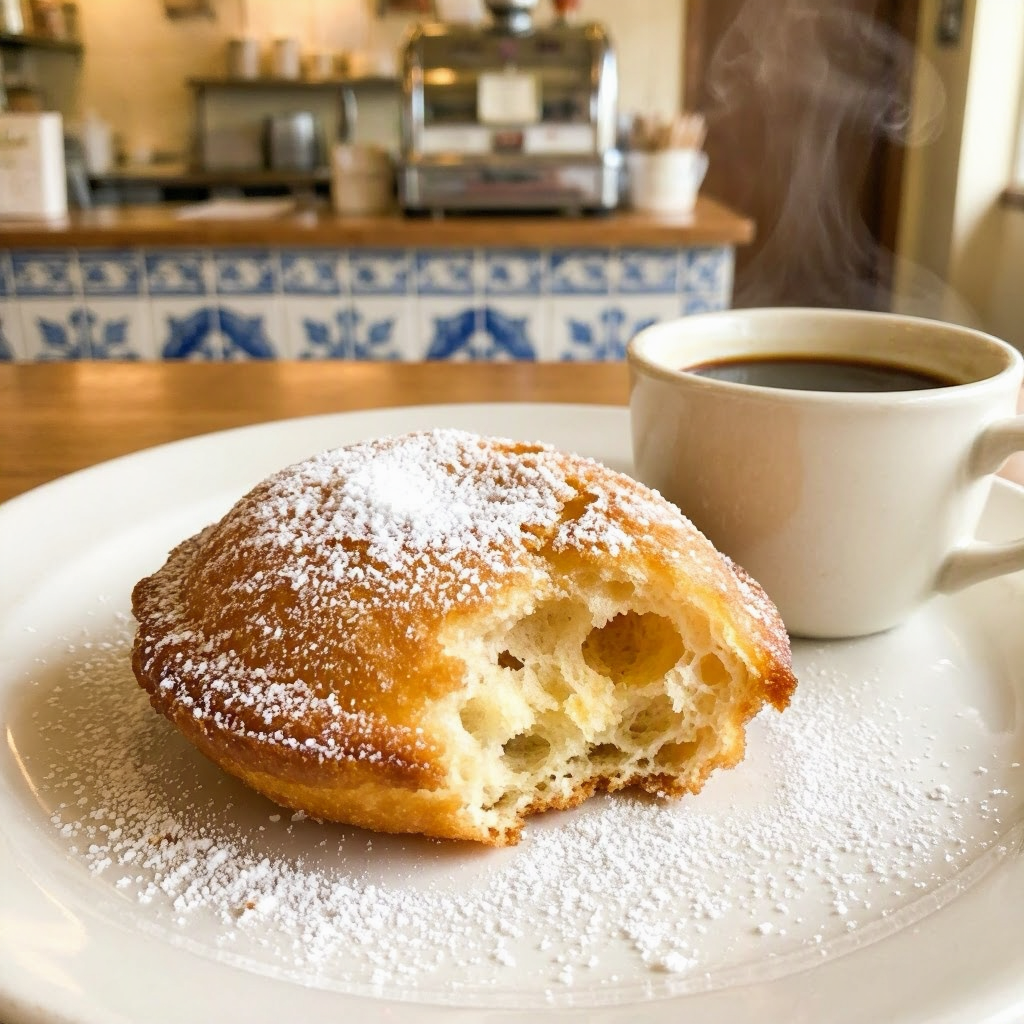
For the full ‘Saimin Shop’ experience, visit Rainbow Drive-In in Kapahulu. Order the saimin, then grab a coffee from the self-serve station. The combo costs under $10 and comes with ocean views.
Where to Sip: Oahu’s Best Coffee Shops
From third-wave roasters to old-school stands, these spots serve Oahu’s coffee culture at its best—no tourist traps, just great beans and local vibes.
Kona Coffee Purveyors (Kaimuki)
100% Oahu-Grown RoasterA boutique roaster sourcing beans from Wahiawa and Kunia farms. Their ‘Honey Process’ coffees have a sweet, funky profile that’s gaining cult status among locals.
Must-Order: The ‘Kunia Honey’—a medium roast with notes of dried mango and milk chocolate. Ask for the ‘Oahu Blue’ if available (limited release).
Pro-Tip: Bring a reusable cup. They offer a $0.50 discount and roast beans on-site every Thursday morning—arrive early for the freshest batches.
Street parking is metered. TheBus Route 11 stops two blocks away.
Morning Glass Coffee (Kaka’ako)
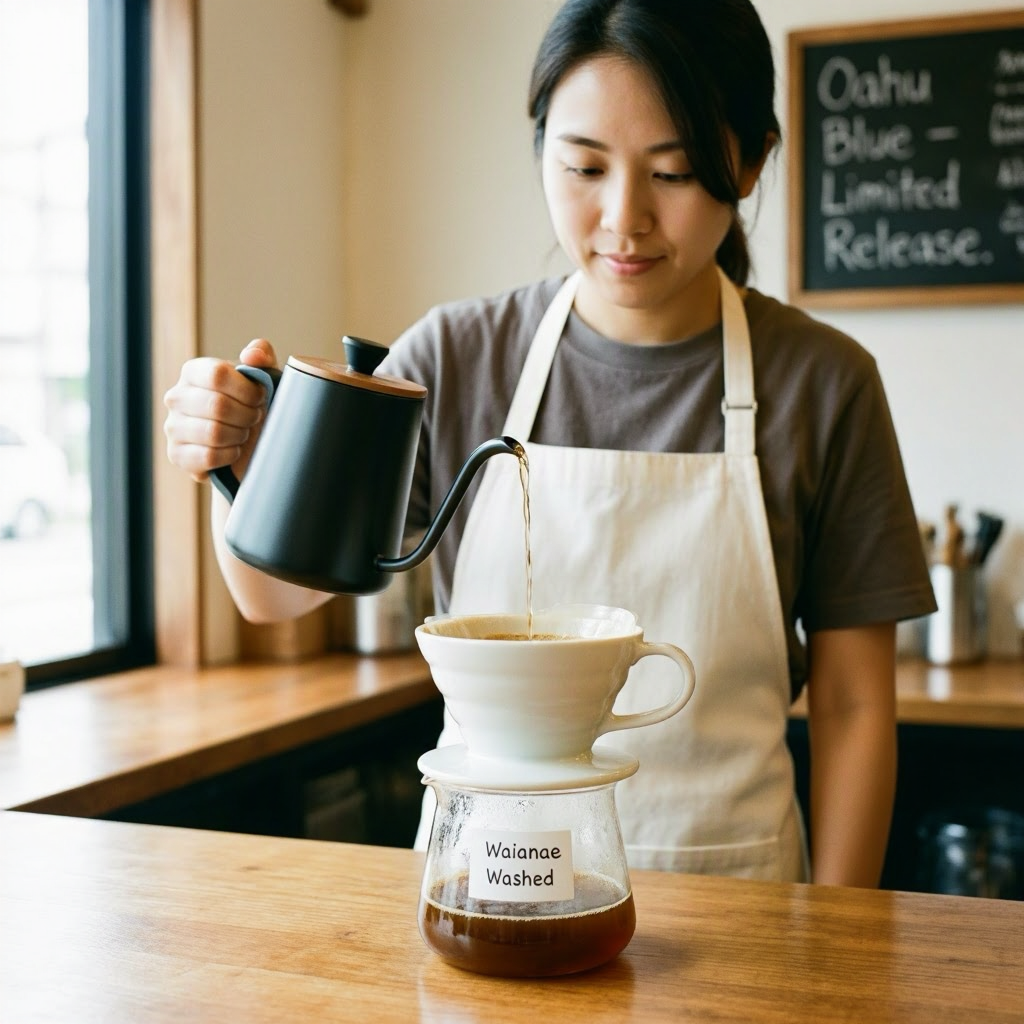
Third-Wave PioneerA minimalist café pushing Oahu’s coffee scene forward with experimental fermentation techniques. Their ‘Washed Process’ beans highlight the island’s volcanic minerals.
Must-Order: The ‘Waianae Washed’—a bright, citrusy pour-over that changes weekly based on farm availability.
Pro-Tip: Ask for the ‘Fermentation Chart’ behind the counter. The baristas will explain how different processing methods (washed, honey, natural) affect flavor.
Paid parking in the Salt complex garage ($3/hour). Bike racks available.
The Curb (Wahiawa)
Farm-to-Cup on the North ShoreA tiny drive-thru stand serving coffee grown less than a mile away. The beans are roasted in small batches and delivered fresh daily.
Must-Order: The ‘Wahiawa Estate Cold Brew’—smooth, chocolatey, and served over ice in a compostable cup.
Pro-Tip: Order the ‘Cacao-Coffee Latte’ to taste the North Shore’s tandem harvest in one drink. The cacao is from the same farm as the coffee.
Drive-thru only. No indoor seating. Cash and card accepted.
Quick-Reference: Coffee Shop Hours & Locations
The Future of Oahu Coffee
As climate shifts and demand grows, Oahu’s coffee scene is evolving. Here’s what to watch—and taste—next.
Roasters are now partnering directly with small farms in Wahiawa, Kunia, and Manoa to experiment with fermentation. The ‘Oahu Blue’ beans—grown at high elevations in the Waianae range—mimic Jamaican Blue Mountain’s dense profile, thanks to similar soil pH and atmospheric pressure. Expect to see more ‘micro-lot’ releases from single farms in the coming years.
Processing Methods: What They Mean for Flavor
Washed (Pulp-Natural)
Most common on Oahu. Fermented in water to remove fruit, resulting in a clean, bright cup with pronounced acidity. Highlights volcanic minerals.
Honey Process
Some fruit mucilage left on during drying. Sweeter, funkier profile with notes of dried fruit and brown sugar. Popular among boutique roasters.
Natural (Dry Process)
Beans dried inside the cherry. Rare on Oahu due to humidity, but produces bold, fruity cups with berry and tropical notes. Limited releases only.
Skip the airport souvenir bags. A 12-ounce bag of 100% Oahu-grown beans costs $18–$22 at local roasters—half the price of tourist shops. Try Kona Coffee Purveyors or Morning Glass Coffee for the best deals.
Your Oahu Coffee Itinerary
Ready to dive in? Here’s a step-by-step plan to experience Oahu’s coffee culture like a local.
- 1
Step 1: Start with History
Visit Manoa Valley (free) to see feral coffee trees near Lyon Arboretum. Walk the trail behind Paradise Park for the best views of the original grove. Parking: $5 at the arboretum lot.
- 2
Step 2: Taste the Terroir
Head to Waialua Estate (North Shore) for a farm tour and single-origin espresso. Time your visit for harvest season (Sept–Jan) to see the ‘Cacao-Coffee Tandem’ in action.
- 3
Step 3: Sip Like a Local
Stop at Liliha Bakery for malasadas and coffee, then Rainbow Drive-In for saimin and self-serve coffee. Both spots are cash-friendly and open early.
- 4
Step 4: Go Third-Wave
Visit Morning Glass Coffee (Kaka’ako) for a pour-over of their latest micro-lot. Ask for the ‘Fermentation Chart’ to learn how processing affects flavor.
- 5
Step 5: Stock Up
Buy beans at Kona Coffee Purveyors (Kaimuki) or The Curb (Wahiawa). Look for the ‘100% Oahu Grown’ seal and ask for roast dates—fresher is better.
Avoid H-1 traffic by taking TheBus (Route 55) from Waikiki to Wahiawa. The ride takes 1 hour and drops you 0.5 miles from Waialua Estate. Fare: $3 one-way.
Disclaimer: This article is generated using AI and curated from public sources. While we strive for accuracy, details such as prices, hours, and availability may change. Always verify with the venue or official sources before making plans. HawaiiYeah assumes no liability for inaccuracies. See our full disclaimer.